
Understanding Oily Sludge: What It Is and Why It Matters
Oily sludge shows up everywhere in the industry. Imagine a refinery with big storage tanks. Over months or years, sediment settles at the bottom. Oil mixes with water, dirt, and heavy bits. It turns into this nasty sludge. Or picture an offshore platform. Drilling mud gets dirty with spilled oil. Suddenly you've got piles of contaminated waste.
The main spots? Upstream drilling and downstream processing. Here are the big ones:
· Oilfield work creates it from drilling fluids and cuttings.
· Refineries produce tons from tank bottoms and wastewater systems.
· Storage and transport add more during cleanouts or leaks.
In busy areas like Texas fields, one site alone can generate hundreds of tons each year. EPA estimates put U.S. refinery waste over a million tons annually. Production keeps rising, so the numbers climb too.
This waste isn't harmless. It carries nasty toxins—benzene, phenols, and metals like lead. Left alone, it soaks into soil. It poisons water supplies. Sometimes it even ignites. Workers breathe the fumes. They get skin rashes or lung trouble over time. A big spill can wipe out wildlife in wetlands for years. Think back to past incidents. Cleanup costs run into billions. Bottom line: skip proper treatment, and you face huge fines or forced shutdowns.
Rules keep tightening worldwide. Governments push hard to cut pollution and boost recycling. Dumping raw sludge in landfills? That's mostly off the table now.
Take a look at this simple table:
Region/Agency | Key Rules | What It Means for You |
U.S. EPA (40 CFR Parts 261-279) | Labels oily sludge hazardous in many cases; bans untreated land disposal. Waste Prevention Rule pushes flare limits through 2026. | Treat it properly. Recover oil or make it safe first. |
Texas RRC (Statewide Rule 9 & 98) | Controls injection of waste; no land dumping of used oil. | Need permits for pits. Separate solids for landfills. |
EU (Waste Framework Directive updates) | Stresses prevent-reuse-recycle order. New shipment rules kick in fully by mid-2026. | Favors thermal methods like pyrolysis for energy recovery. Strict emission caps apply. |
International | Ties to global sustainability goals; focus on harmless treatment. | Match local laws, especially in Asia where "zero harm" standards grow. |
These aren't optional. In the U.S., methane rules from sludge-related ops face some delays, but compliance pressure builds fast.
Staying on the right side takes effort. Small companies hate the testing costs—sometimes $500 a sample just to check toxins. Rules vary by state. California stays tougher than others. A Houston refinery risks audits if oil content tops 3%. The smart move? Choose tech that tracks everything clearly and proves low pollution.
Treatment has come a long way. Old methods linger. Newer ones deliver better results for big sites.
People used to rely on these:
· Centrifugation spins out oil, water, and solids. It grabs up to 90% oil from watery batches.
· Landfarming spreads it out. Microbes slowly break down hydrocarbons. It's cheap, but very slow. Leaching risks remain.
· Incineration burns it away. Volume drops 95%, but emissions spike.
These handle small loads okay. For large industrial amounts? They feel outdated and expensive.
Now thermal desorption heats and vaporizes oil—some spots recover 95%. Anaerobic digestion makes biogas and cuts methane leaks. Pyrolysis stands out. It turns waste into usable fuel quietly and cleanly.
Pyrolysis warms the sludge in an oxygen-free space. It breaks everything down into oil, gas, and solid char. No open flames. Much less pollution. It fits perfectly with 2026's push for greener work.
The process stays pretty straightforward. You feed the sludge right into a reactor. Heat climbs to 400–500°C. Vapors rise and cool into fuel oil. Gas often runs the system itself. Leftover solids turn into carbon black for other uses. Special designs add wall-scraping tools. They stop thick asphalt from gumming things up. A typical batch processes 5–20 tons per day. Wetter sludge moves faster.
In places like Indonesia, operators load via conveyor. They pyrolyze, cool residues, and get clean oil to sell. Char stays low in oil—under 3%.
Why go this route? You recover real value. Many sludges yield 40–45% oil, sometimes higher up to 60% at optimal temps. Waste volume shrinks 80%. Emissions drop sharply with good gas cleaning. No dioxins form. A 20-ton plant often pays for itself in 2–3 years from sold fuel. Safety improves too—sealed reactors cut fire risks.
It handles different sludges without much prep. Studies show fast heating boosts oil output and leaves residues super clean.
Look at actual cases. A Chinese refinery treated 10,000 tons yearly. They pulled back 4,000 tons of oil. That saved millions in disposal costs. Emissions stayed low—under 50 mg/Nm³ for particles. In Malaysia, a semi-continuous unit processed mixed sludge. Efficiency jumped 20% over older batch styles. Industry reviews note heavy metals drop 90% in residues. They're safe for reuse in roads or cement.
These results come from proven installs across dozens of countries.
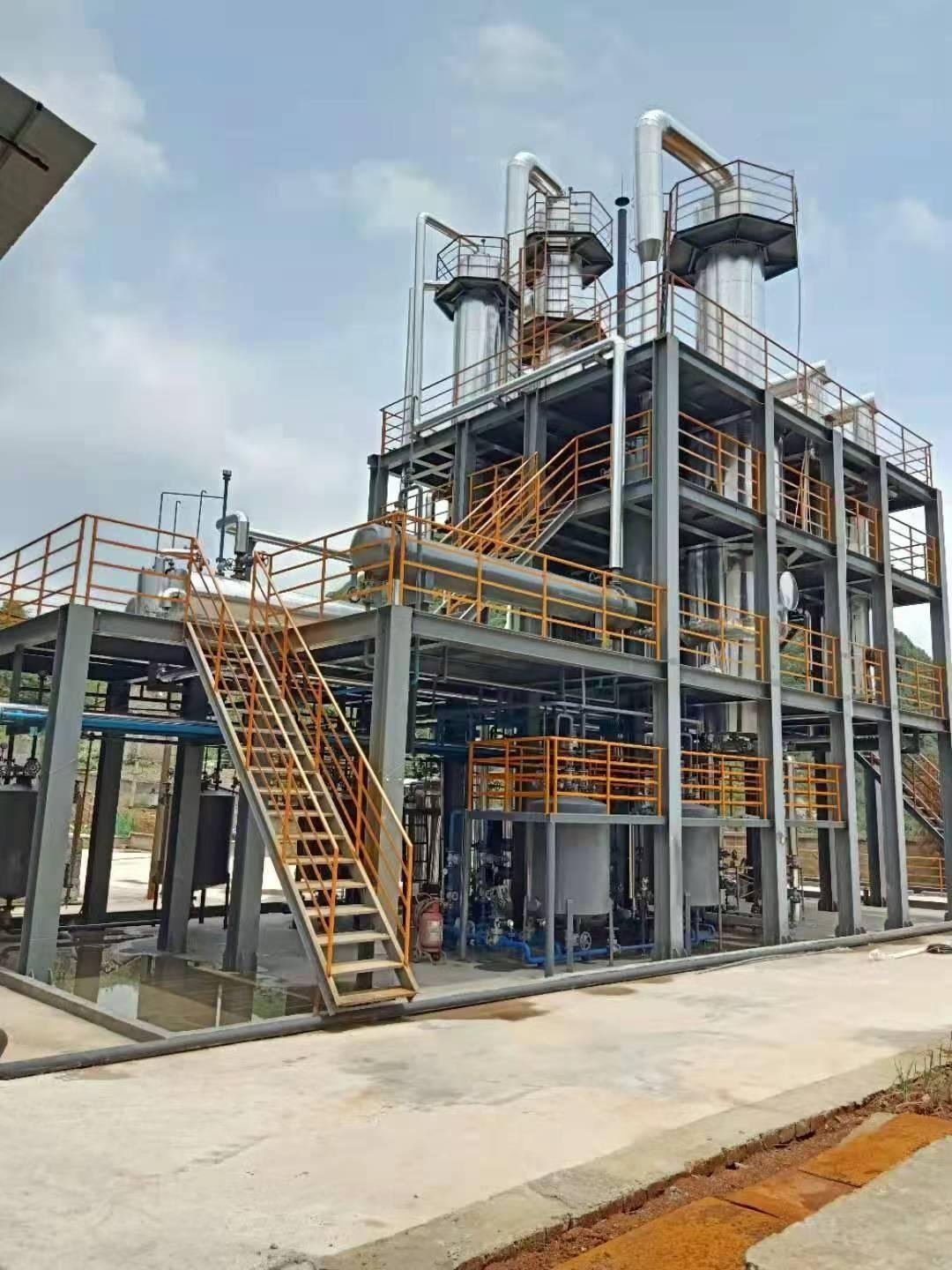
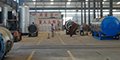
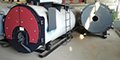
img.Large manufacturing equipment.jpg
Qingdao Xingfu Energy serves as a reliable supplier. They provide industrial boilers, pressure vessels, and pyrolysis systems for waste tires, plastics, and oily sludge. Since 2010, the Qingdao team has run a large 70,500 sqm facility with 228 skilled staff—including 28 engineers focused on practical designs. They hold CE, ISO9001, and A-level boiler certifications. Equipment ships worldwide, from Indonesia to Poland. Their oil sludge pyrolysis systems stand out with low-emission controls and strong recovery rates. They help turn tough waste into real gains.
In the end, handling oily sludge in 2026 comes down to making good calls. Understand the rules. Choose treatments that pull out value. Rely on proven tech like oil sludge pyrolysis systems. It keeps you compliant. It creates profit. And it protects the environment. Pick the right path, and your site stays ahead of the game.
An oil sludge pyrolysis system heats the sludge without any oxygen. It splits the mess into usable oil, gas, and solids. This cuts pollution big time. No burning happens. It often recovers 40–45% oil or more. That makes treatment efficient for busy industrial spots.
Rules like EPA's updates push hard for recycling or safe disposal. No more simple dumping. By 2026, expect tighter limits on flares and exports in places like the EU. Breaking them brings fines. Systems with clear emission tracking keep things smooth.
It needs little prep work. It shrinks waste by about 80%. Residues end up with oil under 3%—well below harmless standards. Fuel sales bring payback faster than slow methods like landfarming.
Sure thing. It works great for oilfield sludge, refinery bottoms, or mixed batches. Custom tweaks manage varying water or impurity levels. Recovery stays strong across setups.
Start by checking your daily sludge volume—maybe 10 tons. Talk to suppliers about specs. Modular designs make setup easy. Good support keeps the system running reliably day after day.

Whatsapp:852-90647954
Rm 2912, Tower 3 ,Zhuoyue Century Center, No.31th Longcheng Road, Qingdao,China
EU Contact : Mr.Dimitar
E-mail:europa@xignfupower.com


Copyright © 2023 Qingdao Xingfu Boiler Thermopower Devices Co., Ltd. All Rights Reserved. Powered by HiCheng